Skills shortage is not the real risk

Skills shortage is often treated as a hiring problem. In reality, many organisations lose critical capabilities internally as roles change and knowledge becomes invisible.
Skills shortage is often treated as a hiring problem. In reality, many organisations lose critical capabilities internally as roles change and knowledge becomes invisible.

Learn how to successfully implement a Skill Management System that connects people, strategy, and performance.

In this article, we explore the key components of a Talent Management System and present a real-world implementation case with measurable outcomes.
Workforce Planning helps organizations and individual team members plan ahead effectively:Who has which skills? Who should take on which role in the future? Where is there development potential? In Teammeter, planning can be done on both the unit level (e.g., Sales, IT, Operations) and the company level. This guide explains the available features, required roles, … Read more
What is Advanced Skill Management?
It’s more than tracking competencies—it’s about using them to drive strategy, growth, and real development.

Plan ahead instead of reacting.
This guide shows how strategic workforce planning helps you spot future skill needs, close gaps early, and retain knowledge, with real examples and a clear 5-step plan.

Explore our Skill Management Software Comparison to evaluate 15 tools that help close skill gaps, drive growth, and enable effective workforce planning.
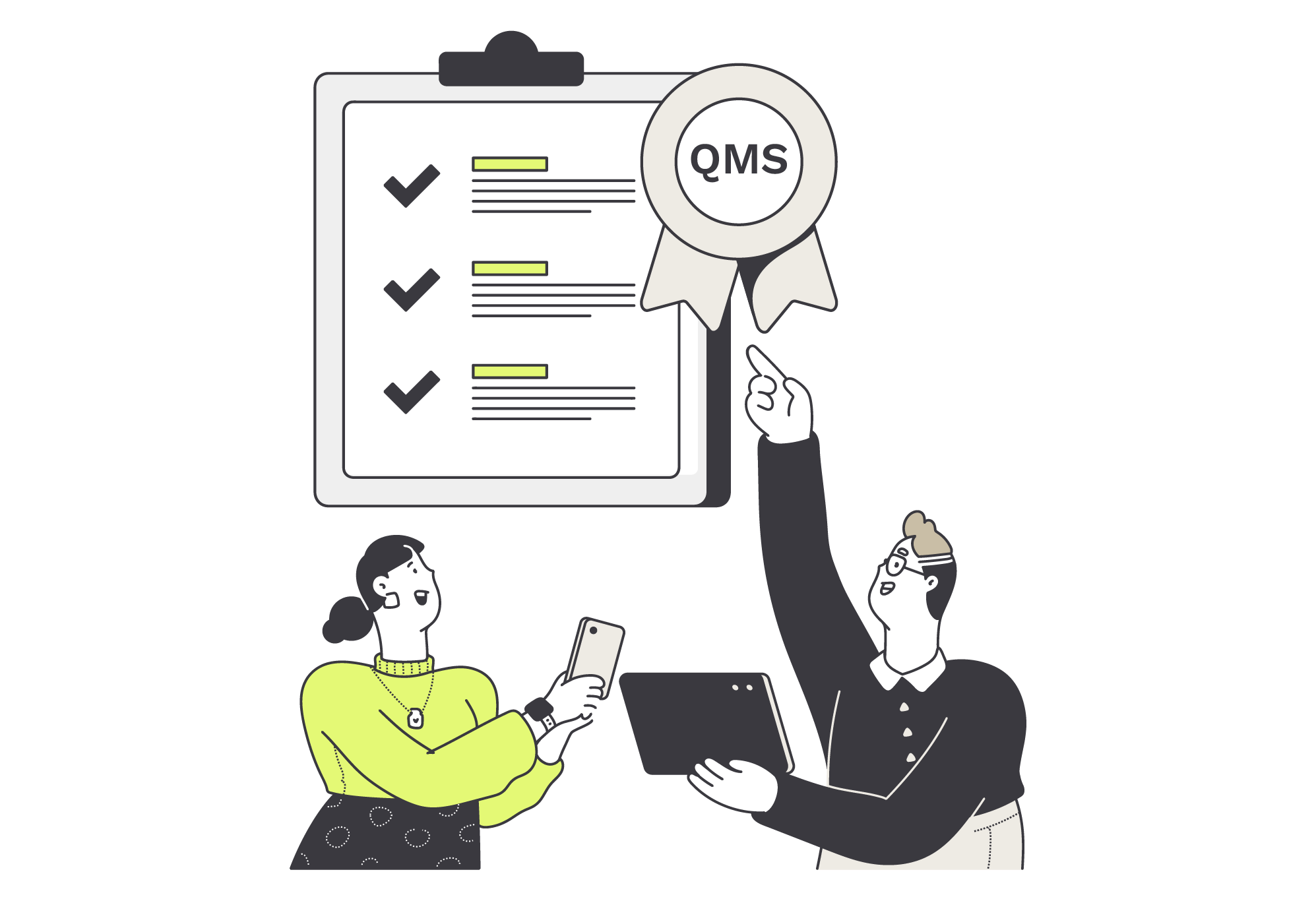
This guide provides a practical overview of ISO 9001:2015 Quality Management System, explaining each clause and how to apply it in real-world organizational settings.

Talent development often stops at training. But true growth needs relevance, context, and real-world impact.

Why the career ladder is no more working and how to design a job architecture with flexible career paths.