Skill ontology: meaning, background and prerequisites for a rollout
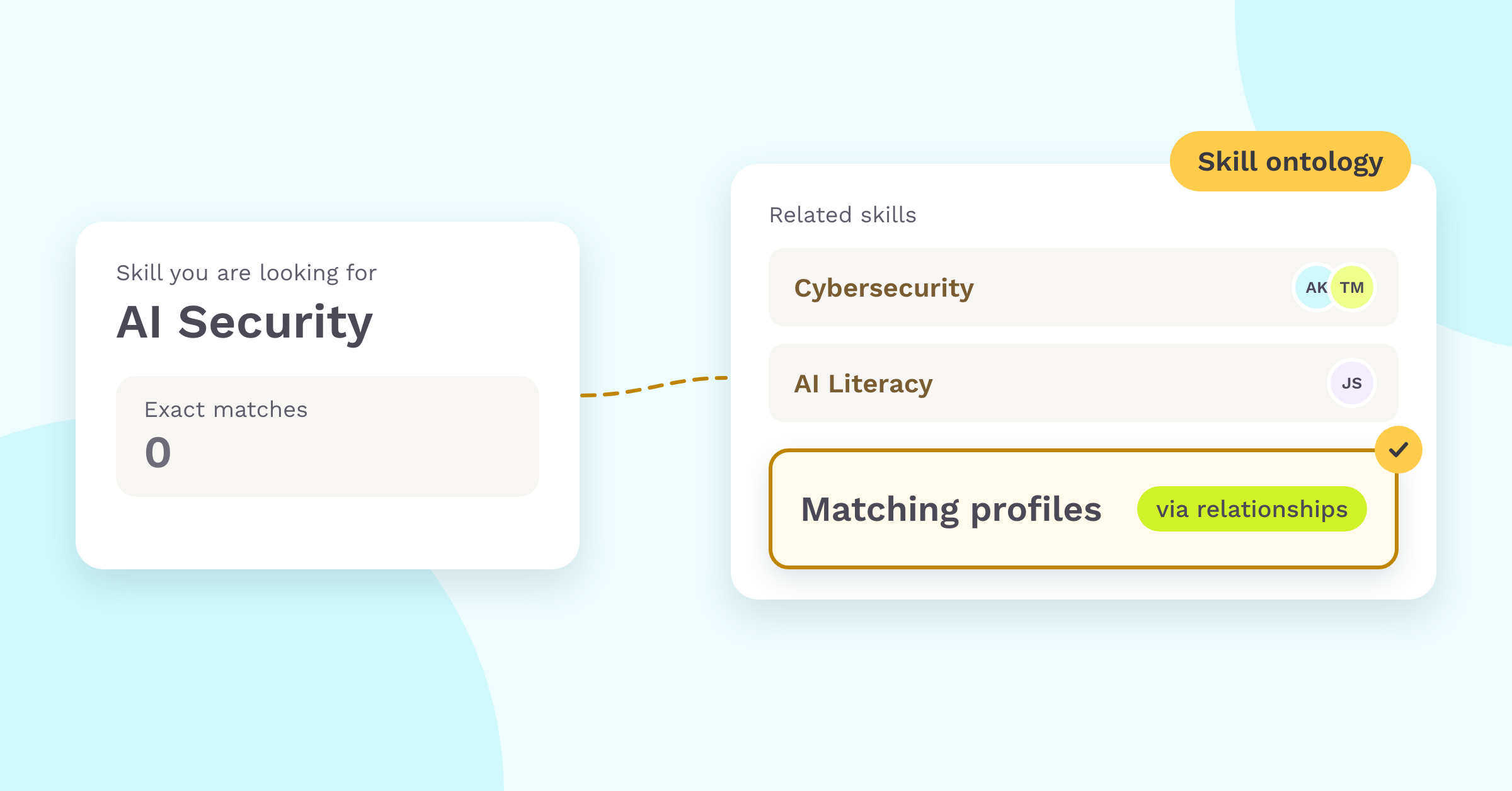
A skill ontology describes skills together with the relationships between them. This article covers its meaning, the background and the prerequisites for a rollout.

Articles that explore trends, ideas, and perspectives around skill management, HR, and organizational development.
Focused on context and understanding rather than step-by-step instructions.
A skill ontology describes skills together with the relationships between them. This article covers its meaning, the background and the prerequisites for a rollout.
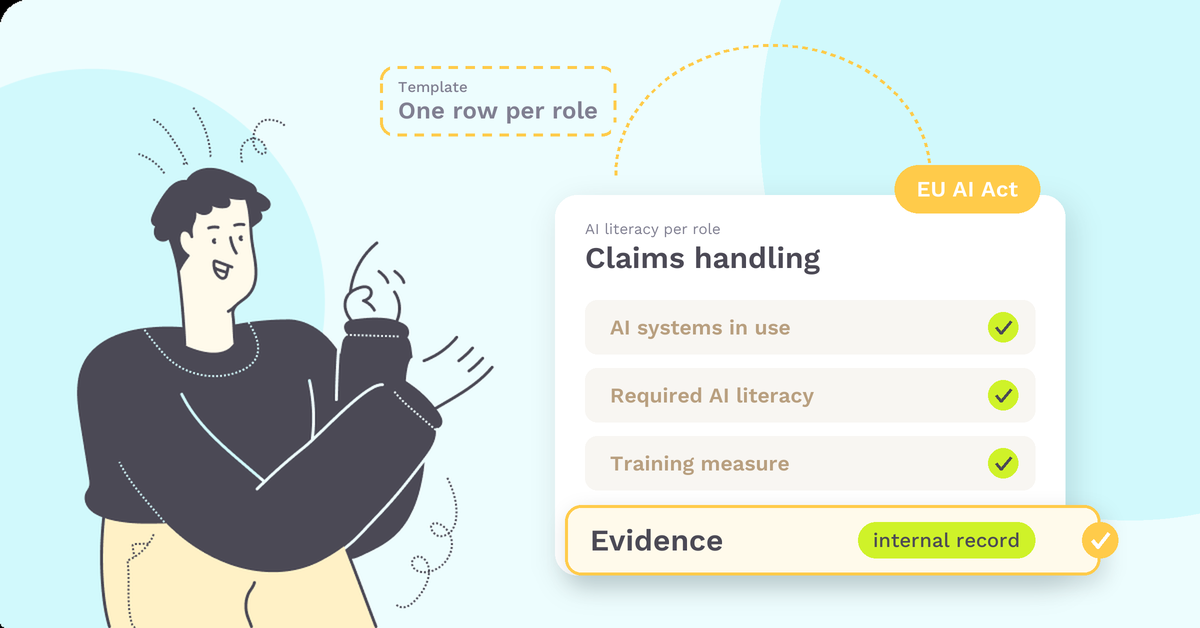
What Article 4 of the AI Act requires since the Digital Omnibus, with a free whitepaper on eight common myths.
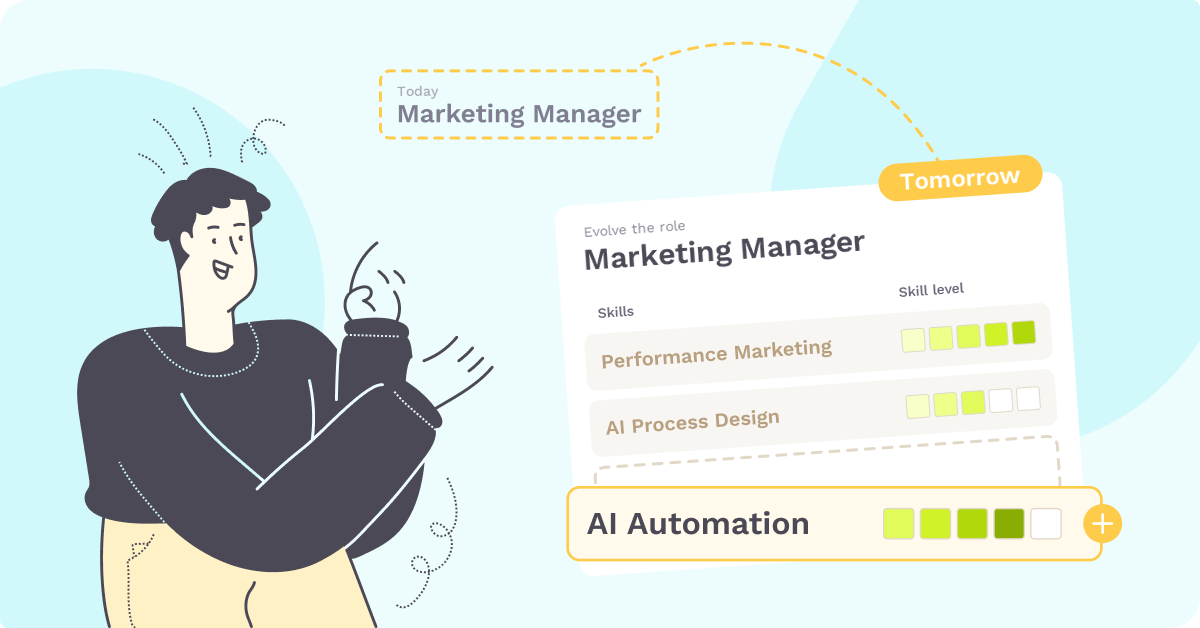
What AI skills are, what the AI Act requires and how HR builds them deliberately in seven steps. With a practical example from Save the Children Norway.
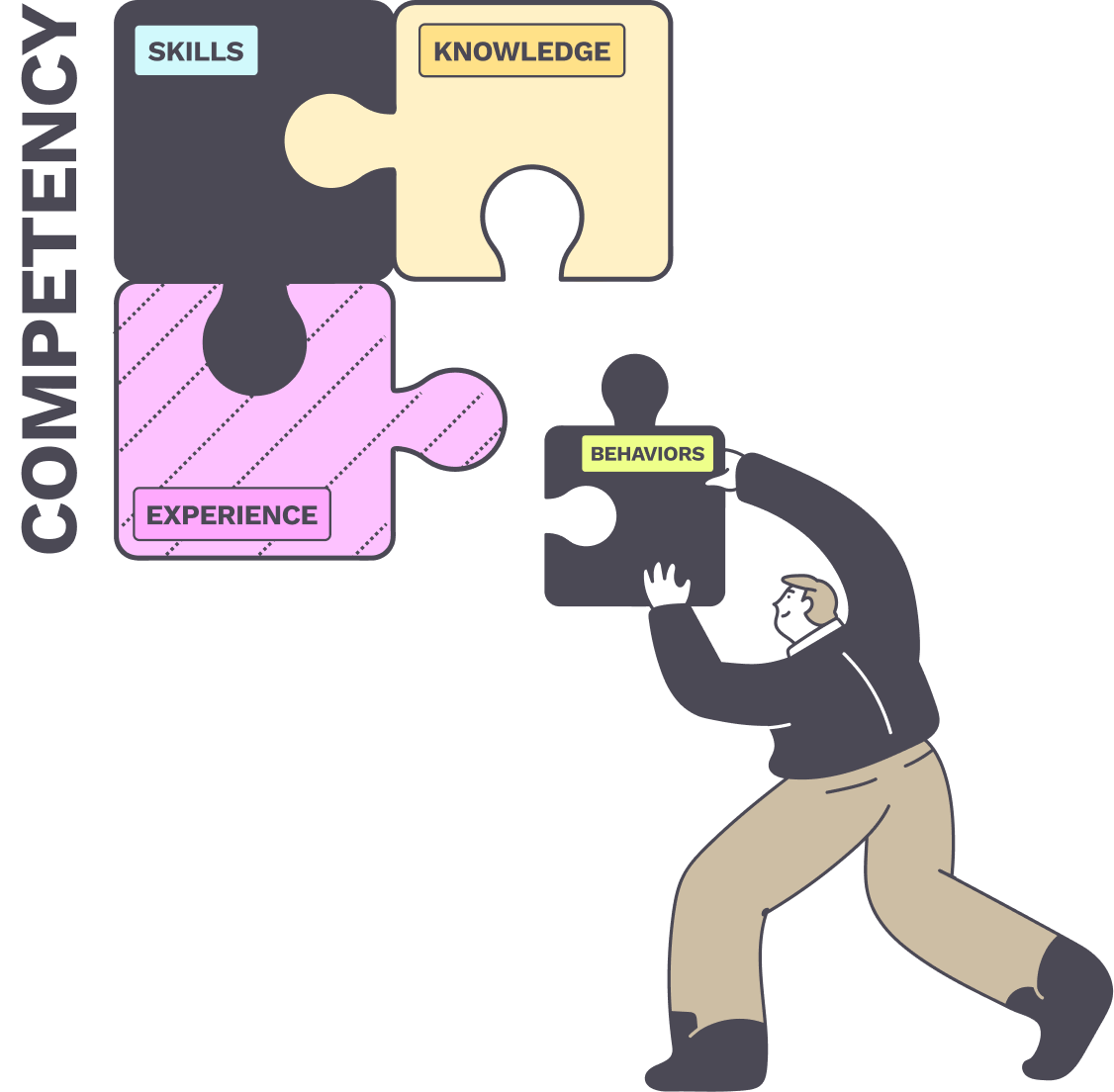
Long before anyone used the word “competency,” European trade guilds had already built a competency model of one. A guild recognized three ranks: apprentice, journeyman, and master. An apprentice was bound to a master’s household for a fixed term, often seven years, receiving training and lodging instead of wages. A journeyman had finished that training … Read more
Every year, Deloitte surveys the people who run organizations to find out what they believe matters most, and how well they’re actually doing about it. The 2026 Global Human Capital Trends report, built on responses from more than 3,000 business and HR leaders across 15 countries, supplemented by a further 6,000 workers and managers and … Read more

Upskilling means teaching employees new or more advanced skills that build on their existing role. Here’s the definition, why it matters, and eight practical methods organizations use to apply it.
Learn how to build a skill catalog step by step: what counts as a skill, how to set the right granularity, and how a skill taxonomy and skill ontology keep it useful as it grows.

Most companies can tell you how many people they have. Almost none can tell you, with any confidence, whether those people have the right skills to execute the strategy they just announced. Budgets are approved, transformations launched, and hiring plans signed off based on headcount and job titles, while the real question, “Do we have … Read more

What is internal mobility, why it matters more than ever, and what separates the companies that do it well from the ones that just talk about it.
Most companies have great talent on the bench and do not use fully this potential. Just because skills and opportunities stay hidden. The gap between available skills and visible opportunity has a predictable outcome: external hiring goes up, and internal talent walks out. According to LinkedIn’s Workplace Learning Report, employees who feel their skills are … Read more